Old phones should not go in the trash. They hold usable parts, batteries, and materials that can be reused, donated, fixed, traded in, or recycled. If you are looking for how to dispose of old phones, the best choice depends on the phone's condition, your privacy needs, and whether you want ease, cash, or the biggest green benefit.
A good plan usually starts before recycling. Reuse the phone if it still works, repair it if that makes sense, and recycle it only when it is no longer useful. If you want to know how to get rid of old phones in a safe way, this guide can help.
What is the most eco-friendly way to dispose of an old phone?
The most eco-friendly way to dispose of an old phone is to keep it in use as long as you can. When reuse is no longer realistic, send it to a trusted electronics recycling program. Reuse avoids the need to make a new device, and proper recycling helps recover metals, plastic, glass, and other usable materials instead of sending them to a landfill.
Think of phone disposal as a ladder. First, use the phone longer or pass it to someone who can. Next, repair, refurbish, donate, or sell it. Only after that should you recycle old cell phones through a reliable drop-off, mail-in, retailer, carrier, city, or nonprofit program.
That order matters because phones take mined materials, factory energy, packaging, and shipping. Even an old device may still work as a backup phone, music player, kids' Wi-Fi device, security camera monitor, or emergency phone. Recycling helps, but longer use is usually better.
Start with your data before you let the phone go
Before you donate, sell, trade in, or recycle old cell phones, protect your personal data. Phones can store photos, contacts, texts, saved passwords, payment apps, health data, documents, and location history. A few simple steps can lower the risk of someone seeing that information later.
Use this quick privacy checklist:
- Back up important files. Save photos, videos, contacts, notes, and files to the cloud, a computer, or your new device.
- Move 2FA apps first. If you use two-factor codes, move those accounts before you erase the old phone.
- Sign out of accounts. Remove your Apple ID, Google account, Samsung account, email, banking apps, and work profiles.
- Turn off tracking and locks. Disable Find My iPhone or Find My Device so the next user or recycler is not blocked.
- Remove SIM and memory cards. Keep, destroy, or recycle cards as needed.
- Do a factory reset. Use the built-in erase tool after your backup is done.
- Wipe other devices if needed. Smartwatches, earbuds, and connected devices may also hold account data.
If the phone will not turn on, you may not be able to reset it. In that case, choose a recycler or repair shop that explains its data wipe process. For very sensitive work or personal devices, ask if they offer physical destruction or a written wipe record.
Donation and resale keep useful phones in use
If your phone powers on, holds a charge, and can run basic apps, donation or resale may be the best path. Many people do not need the newest model. They only need a working phone for calls, texts, school, job searches, maps, or emergencies.
Donation can work well when the phone is unlocked, reset, and paired with a charger. Some charities, shelters, community groups, and digital access programs accept used phones on their own or through collection drives. If you donate nearby, ask what condition they take and whether they can use locked, cracked, or battery-worn phones.
Selling or trading in a phone can also be a green choice. A working device may be fixed up and resold, and you may get store credit, gift cards, or cash. Even phones with cracked screens or weak batteries may still have parts value, so do not assume a damaged phone is worthless.
Before selling or trading in your old phone, check its current resale value with Cashmycell.
How to recycle old mobile phones safely
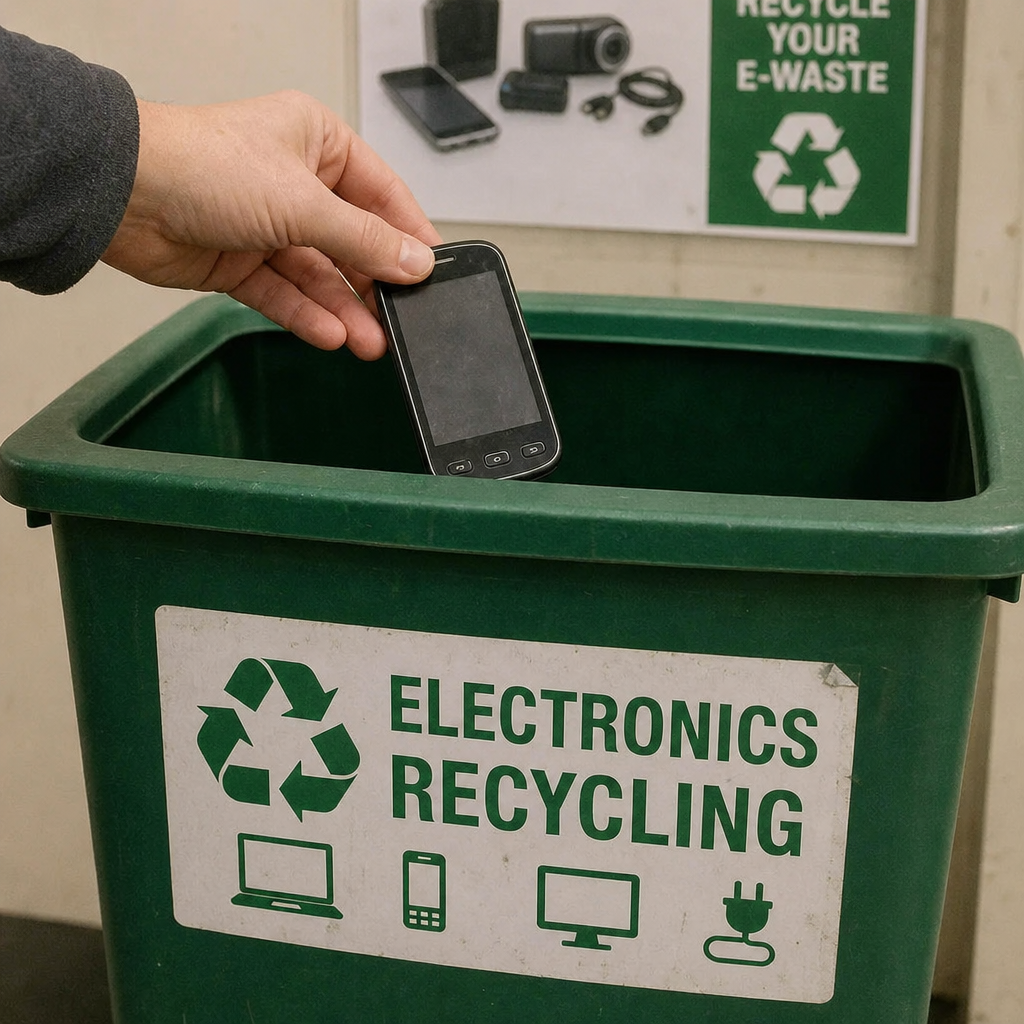
To recycle old mobile phones safely, choose a program that accepts electronics, handles batteries the right way, and sends devices to safe downstream partners. Do not use curbside trash or a general recycling bin unless your local program clearly says it accepts phones.
Phones are small, but they are complex. They may contain lithium-ion batteries, circuit boards, cameras, speakers, screens, and tiny amounts of valuable metals. When processed well, recyclers can recover materials and keep hazardous parts out of regular waste. When processed badly, phones may be stockpiled, broken the wrong way, or sent to unsafe places.
Look for programs that explain what happens next. Many electronics recyclers, retailers, carriers, and city sites list accepted items, prep steps, and collection rules. Some take only phones. Others also accept tablets, chargers, cords, headphones, and small electronics.
A good recycling program usually has some of these signs:
- Clear rules. It says whether it takes smartphones, flip phones, batteries, chargers, cases, and broken devices.
- Data help. It tells you to erase your phone and may explain extra data steps.
- Battery safety steps. It gives clear rules for swollen, damaged, or hot batteries.
- Separate collection. Phones are kept out of regular trash.
- Clear partners. The recycler names certifications, partners, or standards when it can.
- Easy drop-off or mail-in. A simple program is more likely to be used.
Everyday places that may accept old cell phones
If you are asking where can I recycle old cell phones, start with the places you already visit. Easy access makes follow-through much more likely, and many communities offer more than one option for small electronics.
Common choices include:
- Wireless carriers. Store locations may offer trade-in, take-back, or phone recycling boxes.
- Electronics retailers. Large stores often accept small devices for trade-in or recycling.
- Local recycling centers. City or county sites may have e-waste drop-off areas or special collection days.
- Household hazardous waste events. Some communities collect electronics and batteries at set events.
- Manufacturer programs. Phone brands may offer mail-in recycling, trade-in credit, or repair and reuse options.
- Nonprofit collection drives. Schools, shelters, charities, and community groups sometimes collect phones for reuse or recycling.
- Repair shops. Some repair businesses take old devices for parts, repair, or recycling.
If you are searching for where to dispose of old cell phones, check the rules before you go. Some places take phones every day, while others only take electronics at certain times. A quick call or web check can save a wasted trip.
Broken phones still deserve careful handling
A cracked screen, dead battery, or water damage does not mean the phone belongs in the trash. Broken devices can often be fixed, taken apart for parts, or recycled for materials. Even if the phone cannot be repaired, proper handling lowers fire risk and keeps useful materials in use.
Be extra careful with battery damage. If the phone is swollen, hot, leaking, smoking, or smells strange, do not mail it, charge it, puncture it, or put it in a standard drop box. Place it in a safe, nonflammable spot away from heat and contact a local hazardous waste site or electronics recycler for instructions.
For normal broken phones, keep the device whole if you can. Taking it apart yourself can create sharp edges, damage the battery, or make recycling harder. Put the phone in a bag or box so loose glass does not become a hazard.
Smart ways to cut phone waste before your next upgrade
The best disposal plan starts with how you buy and care for your phone. A device that lasts longer creates less waste and less pressure to replace phones too soon. Small habits can extend the life of your current phone and make the final disposal step easier.
Try these practical tips:
- Use a protective case and screen protector. Preventing damage is usually easier than fixing it.
- Replace the battery when it makes sense. A weak battery can make a good phone feel old.
- Install updates when available. Updates can improve safety and extend use.
- Choose refurbished when it fits your needs. That supports the reuse market.
- Choose repairable accessories. Tough chargers, cables, and cases cut extra waste.
- Store old phones safely. If you are not ready to recycle, keep devices cool, dry, and out of direct sun.
- Avoid the junk drawer. Set a reminder to donate, sell, or recycle within a month of upgrading.
A lot of e-waste starts with 'I'll deal with it later.' When you buy or turn on a new phone, make a plan right away: back up the old one, erase it, and decide whether it will be reused, donated, sold, traded in, or recycled.
Planning to sell your old phone? Check its estimated value with Cashmycell’s Depreciation Calculator before deciding what to do with it.
A simple guide for old phones
Not sure how to dispose of old cell phones based on condition? Use this quick guide:
- Works well and is unlocked: Sell it, donate it, give it to family, or keep it as a backup.
- Works but is slow or scratched: Donate it to a program that takes older phones, trade it in, or use it for one task at home.
- Has a cracked screen: Ask a repair shop if repair or parts use makes sense, then recycle it if not.
- Will not turn on: Choose an electronics recycler with data handling and battery safety steps.
- Has a swollen or damaged battery: Treat it as a safety issue and contact a hazardous waste or electronics recycling program for help.
- Still holds sensitive data: Do not give it away casually. Erase it first or choose a service with documented data destruction.
This approach helps you avoid two common mistakes: tossing a phone that still has reuse value, and donating a phone that is unsafe, locked, or full of personal data.
Small accessories need a plan too
Phones rarely travel alone. Chargers, cables, cases, earbuds, battery packs, screen protectors, and car mounts can pile up just as fast. When you recycle or donate a phone, sort the accessories at the same time.
Working chargers and cables can be useful for donation groups, friends, schools, or community groups. Damaged cords should not be reused if they expose wires, overheat, or connect poorly. Many electronics recycling programs accept cords and chargers because they contain usable materials, but plastic cases and broken screen protectors may need different handling.
If you are mailing a phone for trade-in or recycling, follow the packing steps closely. Remove extra accessories unless the program asks for them. For local drop-off, bundle cables neatly so they do not tangle with other electronics.
The takeaway
Learning how to dispose of old phones is really about making the best choice for the device you have. If it still works, reuse, donate, sell, or trade it in. If it is broken or outdated, recycle it through a trusted electronics program instead of putting it in the trash.
The next time you wonder how to recycle old mobile phones or where to dispose of old cell phones, start with your data, check the phone's condition, and pick a convenient local or mail-in option. A few minutes of planning can protect your privacy, support reuse, and keep useful materials out of the waste stream.
For more insights on smartphones, resale value, and the latest mobile trends, explore Cashmycell’s articles.
FAQs
1. Should I recycle my old phone right after upgrading?
Not always. If the phone still works, the more eco-friendly first step is usually to keep it in use, give it to someone who needs it, donate it, sell it, or trade it in. Recycle it when reuse, repair, or refurbishing no longer makes sense.
2. What should I do before giving away, selling, or recycling my phone?
Back up important files, move 2FA apps, sign out of accounts, turn off tracking and device locks, remove SIM and memory cards, and do a factory reset. If the phone will not turn on, choose a recycler or repair shop that explains how it handles data destruction.
3. Can I put an old phone in my household trash or regular recycling bin?
No. Phones should not go in the trash, and they should not go in regular recycling bins unless your local program says they are accepted. Use a trusted electronics recycling, trade-in, retailer, carrier, city, maker, or nonprofit program instead.
4. What should I do with a phone that has a swollen or damaged battery?
Treat it as a safety issue. Do not charge it, mail it, puncture it, or place it in a standard collection box. Keep it away from heat in a safe, nonflammable place and contact a local hazardous waste site or electronics recycler for help.
5. Are chargers, cables, and other phone accessories recyclable too?
Often, yes. Many electronics recycling programs accept chargers and cords because they contain usable materials. Working accessories may also help donation programs, schools, friends, or community groups. Damaged cords should not be reused if they expose wires, overheat, or connect poorly.