Selling a locked iPhone is possible, but the right path depends on the lock type. A carrier lock, passcode lock, Activation Lock, or blacklist status can change the value, the buyer, and what you must tell them. This guide shows how to sell locked iphone models the right way, protect your data, and avoid refunds, disputes, and scams.
Can you sell a locked iPhone?
Yes, you can sell a locked iPhone in many cases if you own it, explain the condition honestly, and do not hide what the buyer will get. The lock type matters. A carrier-locked phone is very different from one that is iCloud locked or reported lost.
In simple terms, buyers want to know if the phone can be activated, used on a network, repaired, resold, or stripped for parts. If you are asking if you can sell a locked phone, the answer is usually yes. The tradeoff is a smaller buyer pool and a lower price than an unlocked iPhone.
If you want to sell locked phones for cash, share the model, storage, condition, battery health if you know it, carrier status, IMEI status, and whether Find My iPhone is off. Clear facts help real buyers set a fair price.
You can also use Cashmycell to check your phone’s estimated resale value before deciding how and where to sell it.
Know which type of lock is on the iPhone
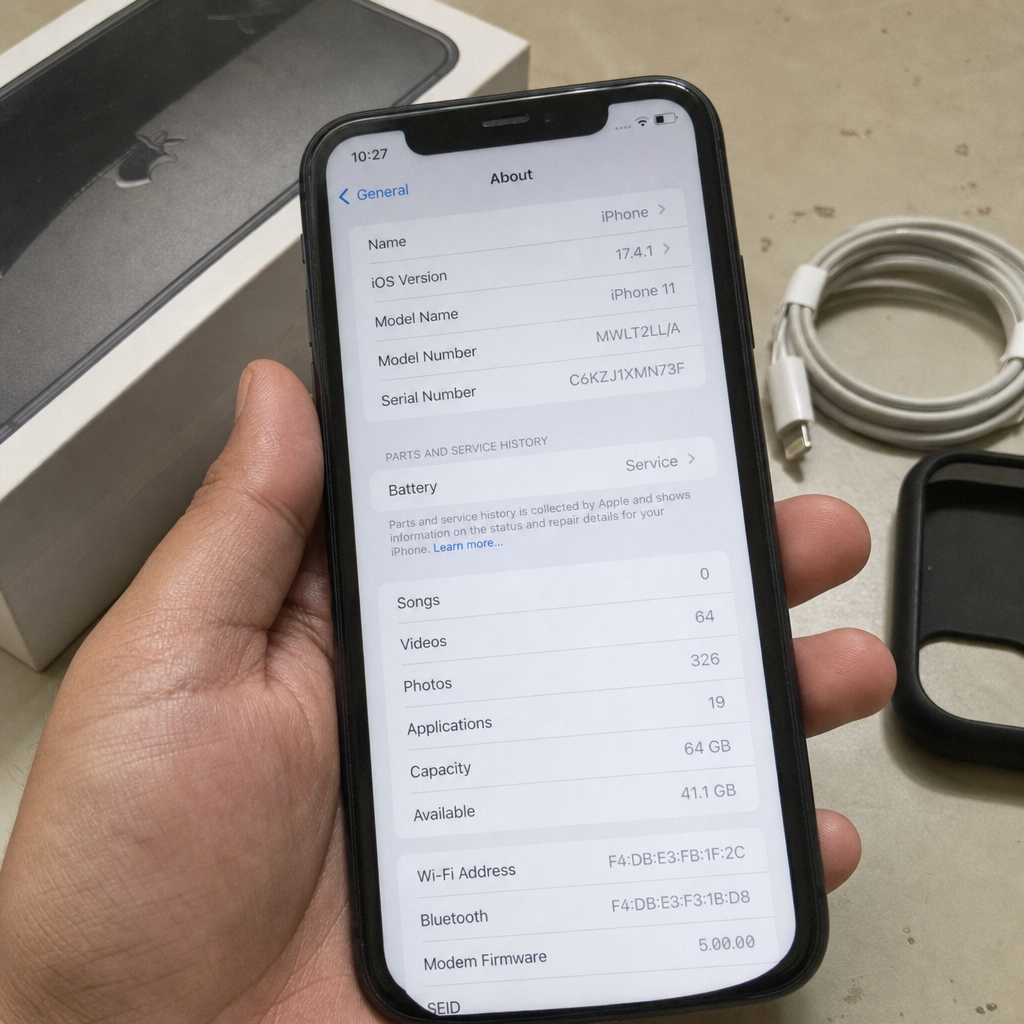
Before you look for places that buy locked phones, find the exact problem. Locked can mean many things. The phone may be tied to one carrier, blocked by a passcode, linked to an Apple ID, financed through a carrier, or blocked from cellular service.
Carrier lock
A carrier-locked iPhone works only with one wireless provider. It may only work on the network that sold or financed it. If the phone is paid off and meets carrier rules, you may be able to request an unlock before you sell it. That can make it easier to sell and may raise the price.
If you need to sell carrier locked iphone models without unlocking them, say so clearly. Many buyers still want these phones, especially repair shops, same-carrier users, and parts buyers. Just do not call it unlocked unless you have proof.
Passcode lock
A passcode-locked iPhone will not open past the screen lock. If it is your phone, you may be able to erase it and set it up again. But if Activation Lock is on, you still need the Apple ID tied to the device. If you cannot remove your account, the buyer may not be able to use it.
Do not leave personal data on a passcode-locked phone if you can avoid it. If you cannot erase it yourself, explain that clearly and look for a buyer that accepts locked or non-working phones.
Activation Lock
Activation Lock is tied to Find My iPhone and the Apple ID on the device. It matters because it blocks use by anyone who is not the owner. If the iPhone is still linked to your Apple ID, remove it before you sell it.
Many trusted buyers will only take an Activation Locked iPhone for parts or recycling. If you are not the rightful owner, do not try to sell it. If you inherited the phone or bought it secondhand, gather proof of ownership and follow the recovery steps first.
Blacklisted IMEI
A blacklisted iPhone has been reported lost, stolen, linked to fraud, or blocked by a carrier. It may not work on mobile networks even if it still turns on. You may still find a way to sell blacklisted iphone models, but you must state the IMEI status.
A blacklisted phone is usually worth parts, repair, or limited non-cellular use. Hiding the blacklist status can cause disputes and may also create legal or ethical problems.
How to prepare a locked iPhone before selling
A little prep can make the sale safer and smoother. Even if you plan to sell locked iPhones for cash, your first job is to protect your accounts, photos, messages, cards, and other private data.
Follow these steps before you take an offer:
- Confirm ownership. Make sure the phone is yours to sell and was not reported lost or stolen.
- Check the lock type. Find out if it is carrier locked, passcode locked, Activation Locked, blacklisted, financed, or more than one issue.
- Back up your data. If you can still open the phone, save your files to iCloud, a computer, or another safe place.
- Sign out of Apple services. Remove iCloud, Find My iPhone, Apple Wallet cards, iMessage, and FaceTime when you can.
- Erase the device. If settings are open to you, do a factory reset after backing up and signing out.
- Remove the SIM or eSIM. Take out the SIM card and contact your carrier if you need help removing an eSIM from your account.
- Gather details. Note the model, storage, color, carrier, visible damage, battery condition, and included accessories.
- Photograph the phone. Take clear photos of the front, back, sides, camera area, ports, and any cracks or dents.
If you cannot finish every step because the phone is locked, do what you can and be honest about what you could not verify. Clear limits are better than vague claims.
Where can I sell a locked iPhone?
You can sell a locked iPhone through online buyback platforms like Cashmycell, local electronics shops, repair stores, private marketplaces, recycling programs, and sometimes carrier or retailer trade-in programs. The best choice depends on the lock type, how fast you want payment, and whether you want ease or the highest offer.
People often search where can i sell a locked iphone because many standard trade-in programs only want unlocked working devices. The good news is that there are places that buy locked phones. The hard part is picking the right buyer for the phone's condition.
Online buyback companies
Online buyback sites are often the easiest choice if you want to sell locked phones without meeting strangers. You enter the details, get an estimate, ship the phone, and get paid after inspection. Some companies accept carrier-locked, damaged, or non-working phones, but each one has its own rules.
This works well if you want a simple process and a written offer. Before you ship, read the condition rules closely. If the buyer lowers the quote after inspection, make sure you can decline the offer and get the phone back.
Local repair shops and electronics stores
Local repair shops may buy locked phones for parts if the screen, camera, case, or internal parts still have value. This is useful if you are searching where to sell locked phones near me and want same-day payment.
Local offers can vary a lot. Visit more than one shop if you can, and ask whether the quote is based on resale, parts, or recycling value. Bring ID, proof of ownership if you have it, and be ready to explain the lock status clearly.
Private marketplaces
Private marketplaces can bring a higher price, but they need more care. If you list the phone yourself, use the exact condition in the listing, such as carrier locked, for parts, Activation Lock not removed, or blacklisted IMEI. Clear wording brings the right buyers and cuts down on disputes.
Meet in a safe public place if you sell locally. Avoid unusual payment requests, and do not hand over the phone until payment is confirmed. If you ship it, use a tracked service and record the phone's condition before packing.
Trade-in programs
A trade in locked iphone option may work in some cases, especially if the phone is only carrier locked and still works well. But many trade-in programs reject phones with Activation Lock, unpaid balances, serious damage, or blacklist problems.
If you want trade-in credit instead of cash, check the rules before you send the phone. A rejected trade-in can slow your payment or leave you with less value than you expected.
Buyers judge risk as much as hardware
When buyers choose whether to buy a locked iPhone, they look at more than the device. They also judge risk. A clean carrier-locked phone with a working screen and clear ownership is easier to price than a phone that cannot be tested, activated, or checked.
That is why honesty can help you sell. A buyer who knows the phone is carrier locked, blacklisted, or for parts can make a fair offer. A buyer who finds out later may ask for a return, leave a bad review, or dispute the sale.
If you want to know who buys locked iphones, think in groups instead of one perfect buyer:
- Same-carrier users may buy a carrier-locked device if it works on their plan.
- Repair shops may buy cracked, damaged, or locked phones for parts.
- Resellers may take certain locked devices if they know how to resell them.
- Recyclers may buy phones with low value for parts recovery.
- Special buyback companies may take locked, damaged, or non-working devices with clear rules.
The more useful the phone is, the more buyers you may have. Removing Activation Lock, confirming the IMEI status, and adding clear photos can make the sale easier.
Pricing expectations for locked iPhones
Locked iPhones usually sell for less than unlocked phones because the buyer takes on more risk and has fewer ways to use or resell them. A carrier lock may cut the value a little or a lot. Activation Lock, blacklist status, or unclear ownership can cut it much more.
Condition still matters. A newer iPhone with a bright screen, clean body, healthy battery, and working cameras may still have value even if it is locked to a carrier. An older model with heavy damage, a blacklisted IMEI, and an account lock may only be good for parts or recycling.
To set fair expectations, compare more than one offer. Search where to sell locked iphones, check buyback sites, call local repair shops, and review listings for similar phones. Try to compare real sold prices when you can, not just high asking prices.
Safety checklist before you accept payment
Selling a locked phone safely is about more than finding a buyer. You want a clean deal, proof of what was sold, and protection from avoidable problems.
Use this checklist before you finish the sale:
- Write down the IMEI or serial number for your records.
- Remove your Apple ID and Find My iPhone when you can.
- Erase personal data if you can still use the device.
- Disclose the carrier, lock type, damage, and blacklist status.
- Keep screenshots or copies of the listing, quote, and buyer messages.
- Use secure payment methods and avoid overpayment scams.
- Get a receipt for in-person sales, especially for higher-value phones.
- Pack the phone carefully if you ship it and save the tracking number.
If a buyer asks you to hide the lock status, change the listing, or ship before payment is secure, walk away. Real buyers understand that locked phones need an honest description.
Common mistakes to avoid
One of the biggest mistakes is using the word locked without saying what kind. A buyer may think carrier locked, while the seller means passcode locked. That mix-up can ruin an otherwise fair sale.
Another mistake is leaving personal accounts connected. Even if the buyer says the phone is only for parts, remove your data and accounts when you can. Your privacy matters more than a slightly faster sale.
Do not assume every buyer accepts every type of locked phone. Some places that buy locked phones accept carrier locks but refuse Activation Lock. Others buy blacklisted phones only for parts. Ask before you ship or meet, and get the terms in writing when you can.
The safest way to sell locked phones
The safest way to sell locked phones is to check the lock type, remove your personal data, disclose every limit, and choose a buyer that accepts that condition. If the phone is only carrier locked, try to unlock it first or sell it to someone who can use that carrier. If it is blacklisted, account locked, or not fully testable, expect a lower offer and look for a repair shop, recycler, or special buyback company.
So, can you sell a locked iPhone? In many cases, yes. The real question is whether you can sell it honestly, safely, and with the right expectations. When you do, you can turn an unused phone into cash while protecting yourself and giving the buyer what they agreed to buy.
Ready to part with your old iPhone? Check its current value and compare your selling options with Cashmycell.
Related: https://cashmycell.com/articles/how-to-reset-android-phone-when-locked
FAQs
1. What is the most important thing to check before selling a locked iPhone?
The most important step is finding the exact lock type. A carrier-locked iPhone may still work for someone on the same network, while an Activation Locked or blacklisted iPhone may only be useful for parts, repair, or recycling. Knowing the lock type helps you choose the right buyer, set a fair price, and avoid disputes.
2. Should I try to unlock the iPhone before selling it?
If the iPhone is only carrier locked and you are allowed to unlock it, doing so can make it easier to sell and may raise the value. But if the phone has Activation Lock, a passcode issue, an unpaid balance, or blacklist status, a carrier unlock may not fix the main problem. Check the exact issue before you list it.
3. Can I sell an iPhone that still has Activation Lock on it?
You may find buyers for an Activation Locked iPhone, but trusted buyers often take these phones only for parts or recycling. If the phone is yours, remove it from your Apple ID and turn off Find My iPhone before you sell it. If you are not the rightful owner or cannot prove ownership, do not try to sell it.
4. Why do locked iPhones usually sell for less than unlocked ones?
Locked iPhones sell for less because buyers take on more risk and have fewer ways to use, activate, repair, or resell the phone. A simple carrier lock may lower the price a little, but Activation Lock, blacklist status, unknown ownership, or unverified condition can cut the value a lot.
5. What should I disclose in a listing for a locked iPhone?
Share the model, storage size, carrier, physical condition, battery health if known, lock type, IMEI or blacklist status, and whether Find My iPhone has been removed. Clear details help you attract the right buyer and reduce refunds, complaints, or payment disputes.